Atrantil
Gas. Bloating. Abdominal discomfort. Distension. For years, people were given labels like IBS without necessarily understanding what might be driving those symptoms.
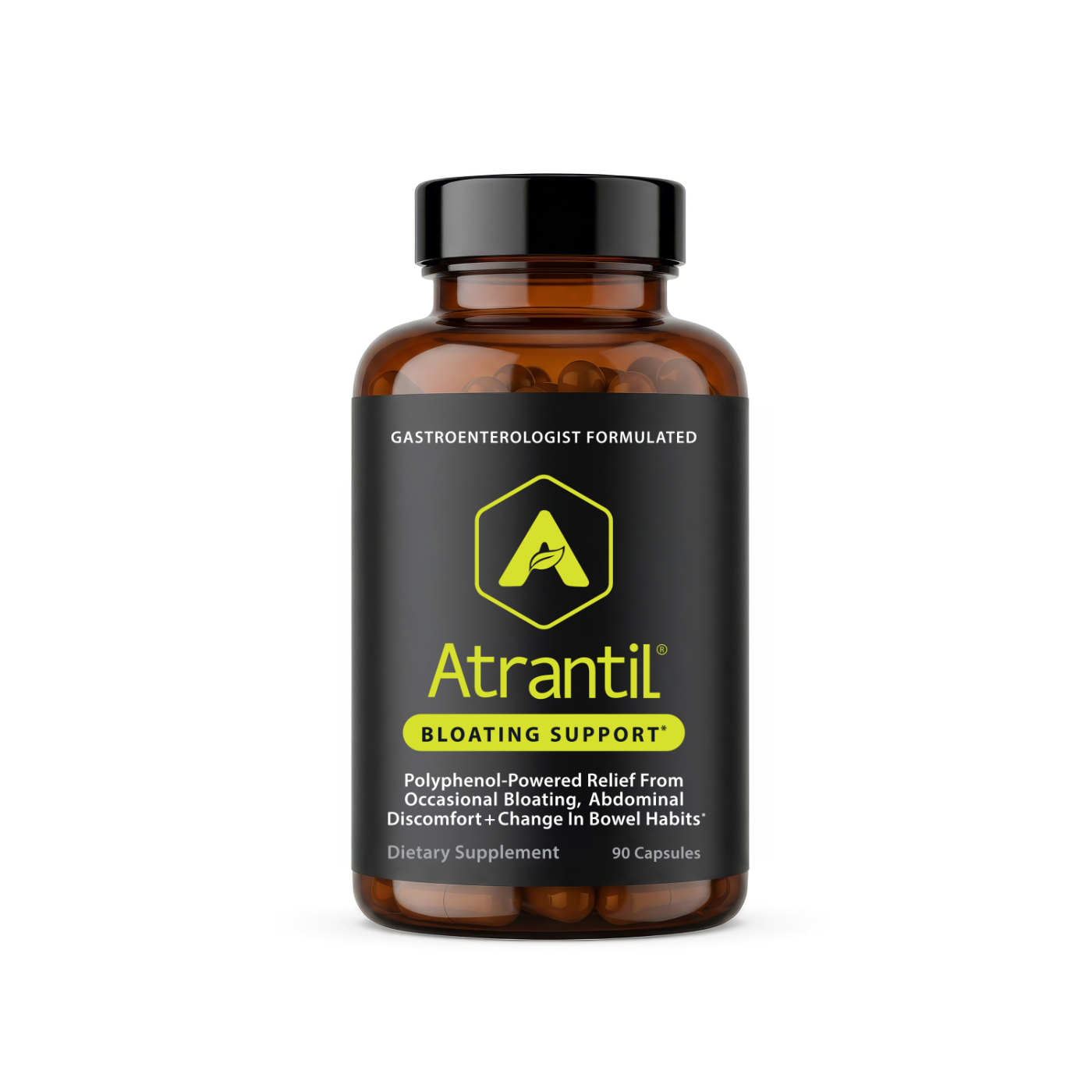

Why Is the Gas Being Produced in the First Place?
Fermentation is a normal part of digestion. Gut microbes break down material we haven't fully digested and produce gases as part of that process. But where that fermentation happens, how much gas is produced, and which microbes are involved can all matter. Bacteria can produce hydrogen during fermentation. Methanogenic archaea can then use that hydrogen to produce methane.
When excessive fermentation and gas production occur higher in the digestive tract, they can contribute to bloating, discomfort, visible distension and changes in bowel habits.
The goal isn't to eliminate fermentation.
It's to support healthier fermentation and microbial balance.
In plain terms: Bloating isn't random or "just IBS." Certain microbes are producing extra gas higher in the digestive tract, and Atrantil is designed to support healthier fermentation right where that's happening.


Fermentation Isn't the Enemy
Fermentation is supposed to happen. The question is whether too much is happening where it shouldn't. That's the idea to understand before you ever mention Atrantil.
We're asking what is producing it in the first place.

Three Ingredients, Complementary Roles
Atrantil combines three targeted plant ingredients selected to support healthy fermentation, microbial balance and digestive comfort.




The important part isn't that each ingredient has one isolated job. It's that the three were selected to work together around the same physiological problem.
Randomized, Double-Blind Evidence
Of patients experienced improvement in bloating, constipation and abdominal discomfort.
Of patients with persistent symptoms reported improvement, having not responded to previous therapies.
Always name the study and the comparison group when you cite a number. Never turn a group result into an individual promise.
Independently Evaluated at Northwestern**
56% of participants reported adequate symptom relief, with outcomes measured across five symptom categories:




Participants were enrolled with minimal exclusion criteria to reflect real-world patients. Led by Darren Brenner, MD, FACG, AGAF, and conducted independently of KBS Research and its partners.
**Northwestern University Feinberg School of Medicine. NCT04755673
The Story Doesn't End in the Small Intestine
Atrantil is designed to support a healthier environment for fermentation and microbial balance.
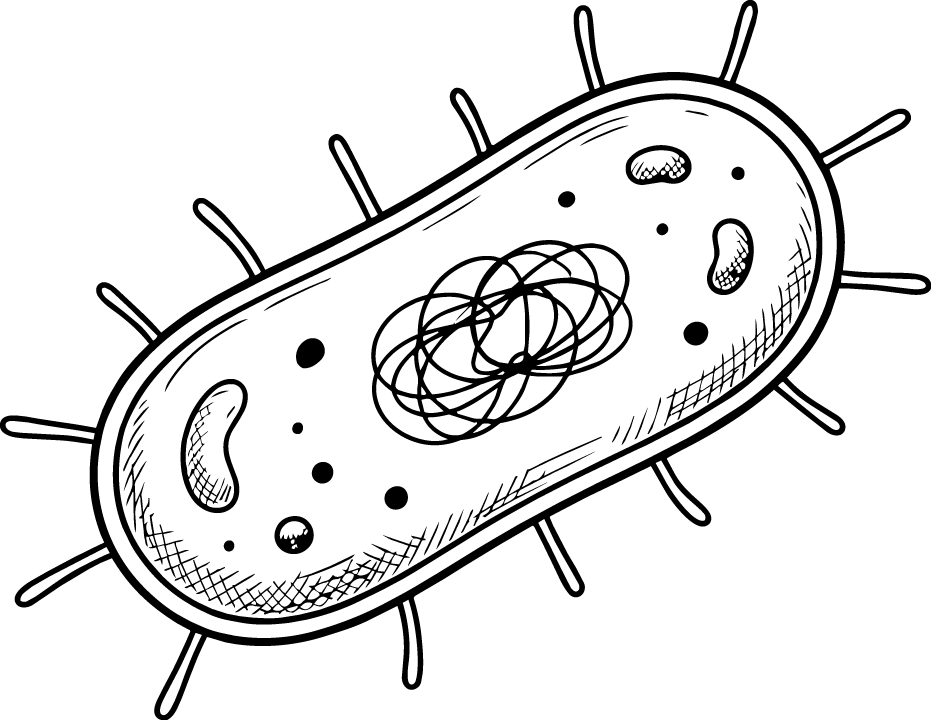
Many polyphenols are not completely absorbed in the small intestine. They continue into the colon, where they interact with the gut microbiota and are transformed into additional metabolites.
That matters because the effects of plant compounds don't necessarily stop where they first enter the digestive tract. What happens to them throughout the gut matters too.
The Re:set Protocol
3× Daily
Why 30 days? Because we're supporting a digestive environment, not simply covering up a symptom for a few hours. Consistent daily use gives the formula time to provide ongoing support.
And that's the honest reason subscription can make sense:
it makes consistency easier.
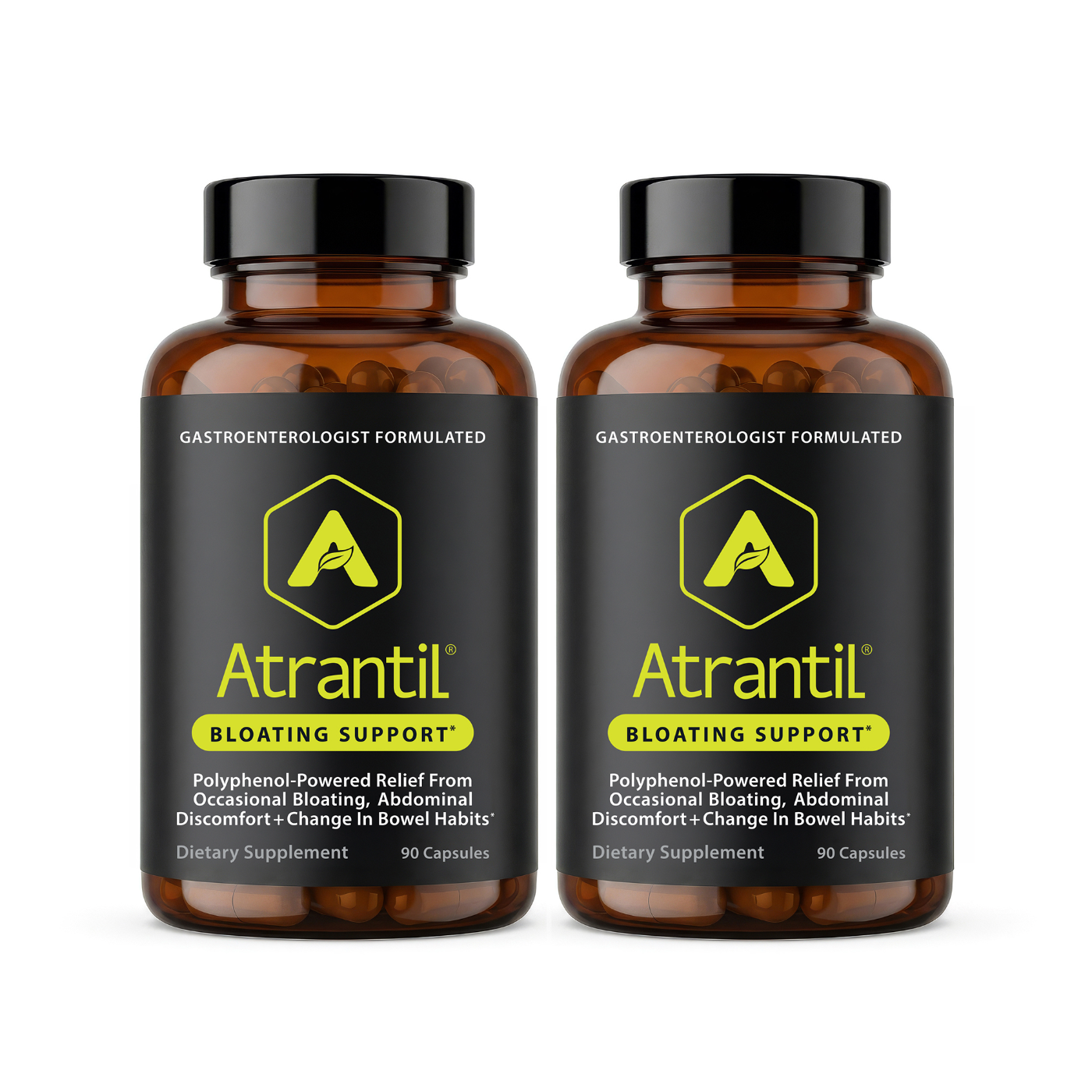
At 6 capsules a day, the 30-day protocol takes two bottles. Maintenance at 2 capsules daily runs about one bottle a month.